End-to-end digital control of precast fabrication and installation

An illustrative sketch of a flower

Case snapshot

Project

Malolos-Clark railway project & NSCR Southline

Budget

€480.000.000,00

Year

2020 – Ongoing

Customer

Acciona & Daelim

Location

Philippines (Southeast Asia)

Project type

Bridges and structures

Scope

Design, fabrication, and installation of precast segments

Solution

End-to-end digital control (fabrication + installation)

The challenge: Limited control and heavy dependencies

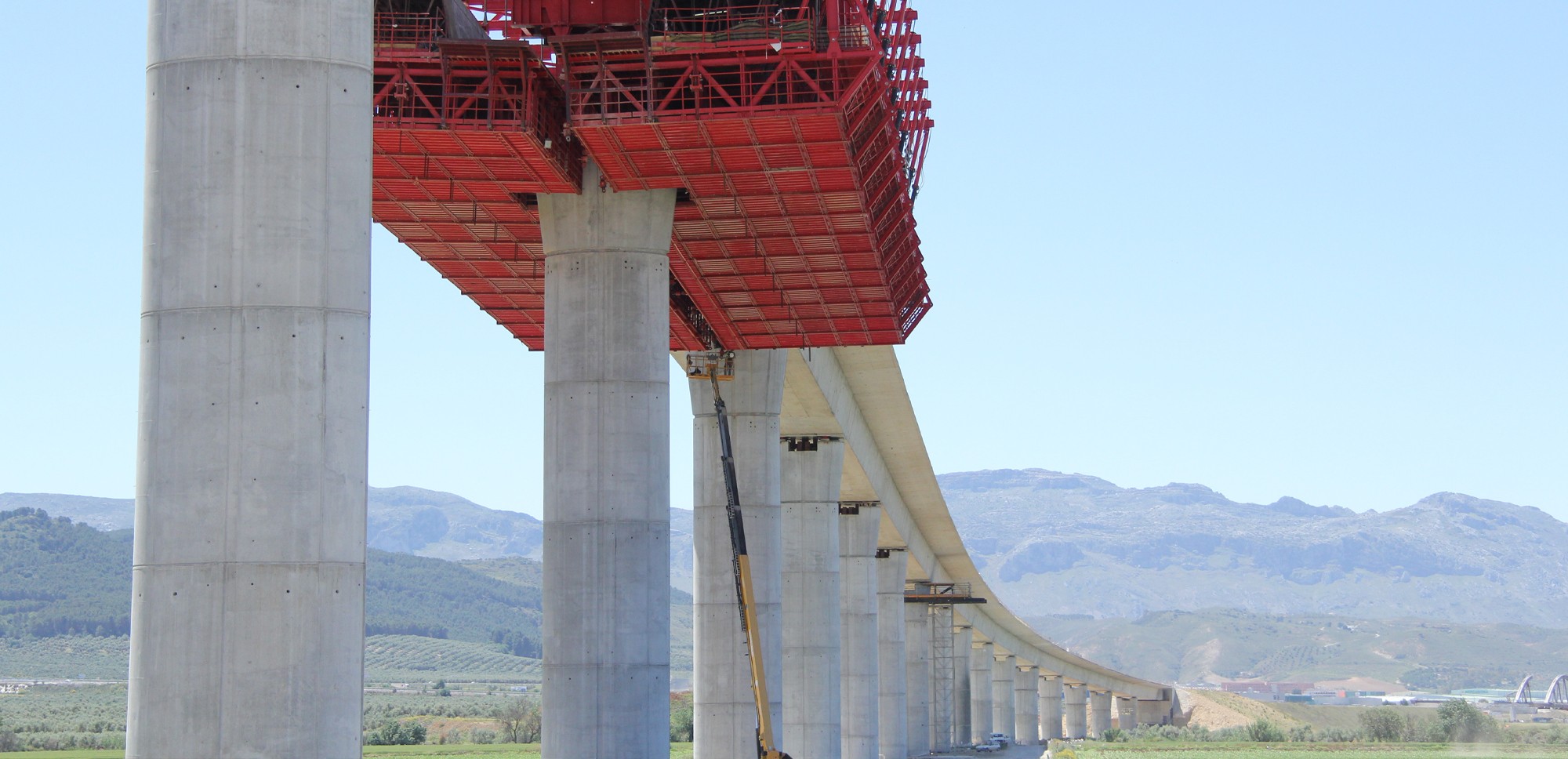
On a major bridge project in the Philippines, Acciona and Daelim faced a critical challenge: a lack of control over precast segment fabrication and geometric validation. In previous projects, reliance on subcontracted technology and external providers had led to recurring delays, quality issues, and limited visibility into key production data.

​

Traditional methods—based on Excel tracking and manual surveying— slowed production, increased labour requirements, and introduced significant risk of error. In some markets, dependence on a single technology provider further reduced flexibility and responsiveness when issues arose.

“When you don’t own the information, you lose control of the process.”

+20%

FASTER PRODUCTION

~30%

REDUCTION IN SURVEYING MANPOWER

A strategic shift: taking back ownership

Determined to regain control, Acciona and Daelim made a strategic shift toward a self-performing model. Their goal was clear: own the full process, eliminate third-party dependency, and unlock higher productivity and quality.

​

They decided to develop and implement a fully integrated digital solution to manage the entire workflow—from fabrication to on-site installation.

The self-performing strategy is key. After our experience in Dubai, we doubled down on it. Internally controlled precast is a real added value for Acciona—now and in the future.

Ramón de la Fuente Huertas

The solution: a fully integrated digital workflow

The new system enabled end-to-end digital control of the process, combining real-time geometric validation with centralized data management. Instead of fragmented information and delayed feedback loops, all stakeholders, from technical office to site teams, worked within a single, reliable environment. This approach not only improved visibility but also allowed teams to quickly detect, understand, and resolve issues as they occurred.

“Having our own software gives us full transparency. You

know which errors are real and can improve the system

quickly.”

Implementation: Built for the field, with the field

The implementation followed a collaborative and iterative

approach, bringing together civil works, surveying, technical office, and innovation teams. By analyzing past project challenges, continuously testing the solution, and adapting it to real operational needs, the team ensured the system was robust, practical, and fully embedded into daily workflows.

​

The priority was clear: deliver a tool that worked seamlessly on site—not just in theory.

The transformation: form fragmentation to full control

With the system in place, operations were fundamentally

transformed. Instead of disconnected tools and reactive

corrections, teams gained full control over fabrication and installation in real time. Data became centralized, accessible, and reliable— enabling better decision-making and smoother coordination across all stakeholders.

“Managing your own data is critical. The improvement in

productivity, quality, and control is enormous when you own

the process end to end.”

The impact: efficiency, quality, and confidence at scale

The results were not only measurable but also visible in daytoday operations. Productivity increased significantly, quality improved, and risks associated with errors and delays were drastically reduced. The integration between fabrication and installation also eliminated the need for manual data handling and complex reporting processes.

Without this system, installation would require handling hundreds of Excel sheets—with a huge risk of error. Having everything integrated makes all the difference.

Héctor Faundez Velasco.

Looking ahead: Towards full traceability and integration

Building on this success, the project continues to evolve.

​

A new installation control module is in its final stages, aiming to fully connect fabrication and on-site execution.

​

The long-term vision is a unified platform accessible to all stakeholders—site teams, headquarters, engineering, and clients—ensuring complete traceability and transparency across the entire lifecycle of the project.

Impact at a glance

Peak production

17 segments/day (vs. 5–8 previously)

Total output

~6,600 segments over 3.5 years.

Second project: ~3,000 segments in 8 months with zero rejections.

Productivity gain

Up to +20% faster production

Resource efficiency

~30% reduction in surveying manpower

Capex savings

Reuse of existing casting yard (no additional investment required)

Download PDF

Products

Solutions

About us

End-to-end digital control of precast fabrication and installation
An illustrative sketch of a flower

Case snapshot

Project

Malolos-Clark railway project & NSCR Southline

Budget

€480.000.000,00

Year

2020 – Ongoing

Customer

Acciona & Daelim

Location

Philippines (Southeast Asia)

Project type

Bridges and structures

Scope

Design, fabrication, and installation of precast segments

Solution

End-to-end digital control (fabrication + installation)

The challenge: Limited control and heavy dependencies

On a major bridge project in the Philippines, Acciona and Daelim faced a critical challenge: a lack of control over precast segment fabrication and geometric validation. In previous projects, reliance on subcontracted technology and external providers had led to recurring delays, quality issues, and limited visibility into key production data.

​

Traditional methods—based on Excel tracking and manual surveying— slowed production, increased labour requirements, and introduced significant risk of error. In some markets, dependence on a single technology provider further reduced flexibility and responsiveness when issues arose.

“When you don’t own the information, you lose control of the process.”

+20%

EXECUTION UNITS MONOTORED DAILY

~30%

REDUCTION IN SURVEYING MANPOWER

A strategic shift: taking back ownership

Determined to regain control, Acciona and Daelim made a strategic shift toward a self-performing model. Their goal was clear: own the full process, eliminate third-party dependency, and unlock higher productivity and quality.

​

They decided to develop and implement a fully integrated digital solution to manage the entire workflow—from fabrication to on-site installation.

The self-performing strategy is key. After our experience in Dubai, we doubled down on it. Internally controlled precast is a real added value for Acciona—now and in the future.

Ramón de la Fuente Huertas

The solution: a fully integrated digital workflow

The new system enabled end-to-end digital control of the process, combining real-time geometric validation with centralized data management. Instead of fragmented information and delayed feedback loops, all stakeholders, from technical office to site teams, worked within a single, reliable environment. This approach not only improved visibility but also allowed teams to quickly detect, understand, and resolve issues as they occurred.

“Having our own software gives us full transparency. You

know which errors are real and can improve the system

quickly.”

Implementation: Built for the field, with the field

The implementation followed a collaborative and iterative

approach, bringing together civil works, surveying, technical office, and innovation teams. By analyzing past project challenges, continuously testing the solution, and adapting it to real operational needs, the team ensured the system was robust, practical, and fully embedded into daily workflows.

​

The priority was clear: deliver a tool that worked seamlessly on site—not just in theory.

The transformation: form fragmentation to full control

With the system in place, operations were fundamentally

transformed. Instead of disconnected tools and reactive

corrections, teams gained full control over fabrication and installation in real time. Data became centralized, accessible, and reliable— enabling better decision-making and smoother coordination across all stakeholders.

“Managing your own data is critical. The improvement in

productivity, quality, and control is enormous when you own

the process end to end.”

The impact: efficiency, quality, and confidence at scale

The results were not only measurable but also visible in daytoday operations. Productivity increased significantly, quality improved, and risks associated with errors and delays were drastically reduced. The integration between fabrication and installation also eliminated the need for manual data handling and complex reporting processes.

Without this system, installation would require handling hundreds of Excel sheets—with a huge risk of error. Having everything integrated makes all the difference.

Héctor Faundez Velasco.

Looking ahead: Towards full traceability and integration

Building on this success, the project continues to evolve.

​

A new installation control module is in its final stages, aiming to fully connect fabrication and on-site execution.

​

The long-term vision is a unified platform accessible to all stakeholders—site teams, headquarters, engineering, and clients—ensuring complete traceability and transparency across the entire lifecycle of the project.

Impact at a glance

Peak production

17 segments/day (vs. 5–8 previously)

Total output

~6,600 segments over 3.5 years.

Second project: ~3,000 segments in 8 months with zero rejections.

Productivity gain

Up to +20% faster production

Resource efficiency

~30% reduction in surveying manpower

Capex savings

Reuse of existing casting yard (no additional investment required)

Download PDF

Products

Solutions

About us

End-to-end digital control of precast fabrication and installation

An illustrative sketch of a flower

Case snapshot

Project

Malolos-Clark railway project & NSCR Southline

Budget

€480.000.000,00

Year

2020 – Ongoing

Customer

Acciona & Daelim

Location

Philippines (Southeast Asia)

Project type

Bridges and structures

Scope

Design, fabrication, and installation of precast segments

Solution

End-to-end digital control (fabrication + installation)

The challenge: Limited control and heavy dependencies

On a major bridge project in the Philippines, Acciona and Daelim faced a critical challenge: a lack of control over precast segment fabrication and geometric validation. In previous projects, reliance on subcontracted technology and external providers had led to recurring delays, quality issues, and limited visibility into key production data.

​

Traditional methods—based on Excel tracking and manual surveying— slowed production, increased labour requirements, and introduced significant risk of error. In some markets, dependence on a single technology provider further reduced flexibility and responsiveness when issues arose.

“When you don’t own the information, you lose control of the process.”

+20%

FASTER PRODUCTION

~30%

REDUCTION IN SURVEYING MANPOWER

A strategic shift: taking back ownership

Determined to regain control, Acciona and Daelim made a strategic shift toward a self-performing model. Their goal was clear: own the full process, eliminate third-party dependency, and unlock higher productivity and quality.

​

They decided to develop and implement a fully integrated digital solution to manage the entire workflow—from fabrication to on-site installation.

The self-performing strategy is key. After our experience in Dubai, we doubled down on it. Internally controlled precast is a real added value for Acciona—now and in the future.

Ramón de la Fuente Huertas

The solution: a fully integrated digital workflow

The new system enabled end-to-end digital control of the process, combining real-time geometric validation with centralized data management. Instead of fragmented information and delayed feedback loops, all stakeholders, from technical office to site teams, worked within a single, reliable environment. This approach not only improved visibility but also allowed teams to quickly detect, understand, and resolve issues as they occurred.

“Having our own software gives us full transparency. You

know which errors are real and can improve the system

quickly.”

Implementation: Built for the field, with the field

The implementation followed a collaborative and iterative

approach, bringing together civil works, surveying, technical office, and innovation teams. By analyzing past project challenges, continuously testing the solution, and adapting it to real operational needs, the team ensured the system was robust, practical, and fully embedded into daily workflows.

​

The priority was clear: deliver a tool that worked seamlessly on site—not just in theory.

The transformation: form fragmentation to full control

With the system in place, operations were fundamentally

transformed. Instead of disconnected tools and reactive

corrections, teams gained full control over fabrication and installation in real time. Data became centralized, accessible, and reliable— enabling better decision-making and smoother coordination across all stakeholders.

“Managing your own data is critical. The improvement in

productivity, quality, and control is enormous when you own

the process end to end.”

The impact: efficiency, quality, and confidence at scale

The results were not only measurable but also visible in daytoday operations. Productivity increased significantly, quality improved, and risks associated with errors and delays were drastically reduced. The integration between fabrication and installation also eliminated the need for manual data handling and complex reporting processes.

Without this system, installation would require handling hundreds of Excel sheets—with a huge risk of error. Having everything integrated makes all the difference.

Héctor Faundez Velasco.

Looking ahead: Towards full traceability and integration

Building on this success, the project continues to evolve.

​

A new installation control module is in its final stages, aiming to fully connect fabrication and on-site execution.

​

The long-term vision is a unified platform accessible to all stakeholders—site teams, headquarters, engineering, and clients—ensuring complete traceability and transparency across the entire lifecycle of the project.

Impact at a glance

Peak production

17 segments/day (vs. 5–8 previously)

Total output

~6,600 segments over 3.5 years.

Second project: ~3,000 segments in 8 months with zero rejections.

Productivity gain

Up to +20% faster production

Resource efficiency

~30% reduction in surveying manpower

Capex savings

Reuse of existing casting yard (no additional investment required)

Download PDF